 Binding Unfolded
Interactive reference
See How Books Are Bound — and How They Open
Interactive diagrams of eleven bookbinding structures: how each one is built, and how far it opens.
Drag to open the book. With the slider focused: ←/→ moves 1%, Shift+←/→ 5%, PgUp/PgDn jumps to the next state, Home/End to closed or fully open.
Closed state (shown without JavaScript)
Compare
Compare two methods directly
Side by side at the same scale, driven by one shared slider.
| Attribute | Perfect binding | Coptic binding |
|---|---|---|
| Sheet organization | Loose leaves | Multiple signatures |
| Joining | Adhesive | Thread |
| Spine | Covered | Exposed |
| Opens flat? | No | Yes |
| Fold-back? | No | No |
| Editable after binding? | No | No |
Browse
Browse all eleven types of book binding
The common types of book binding fall into a few structural families: adhesive-bound loose leaves, sheets or signatures sewn together with thread, and pages mechanically joined by exposed hardware or staples. Each family determines whether the spine stays covered, whether pages fold back on themselves, and how flat the book opens.
Showing all 11 methods.
Comb binding
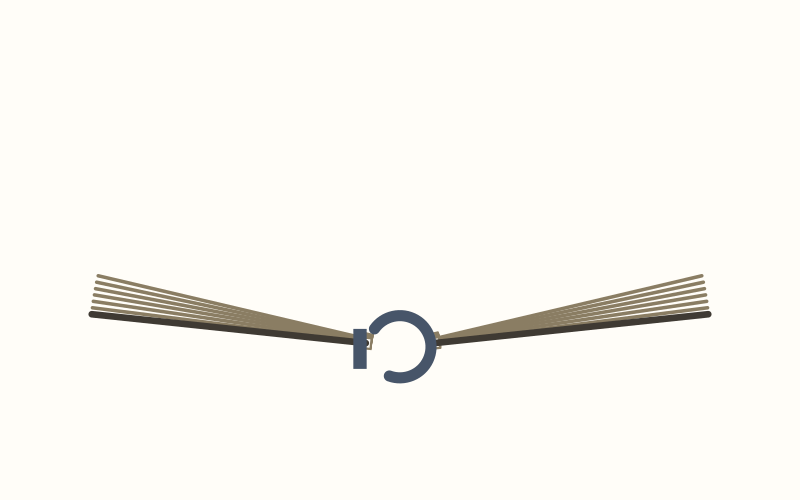
The spine is a solid ring of curved plastic fingers that spread open for re-editing pages, and it opens flat but the pages step up slightly as they turn rather than rotating fully around the spine like spiral or Wire-O.
Loose leaves · Exposed spine
- Opens flatYes
- Fold-backLimited
- EditableYes
Coptic binding
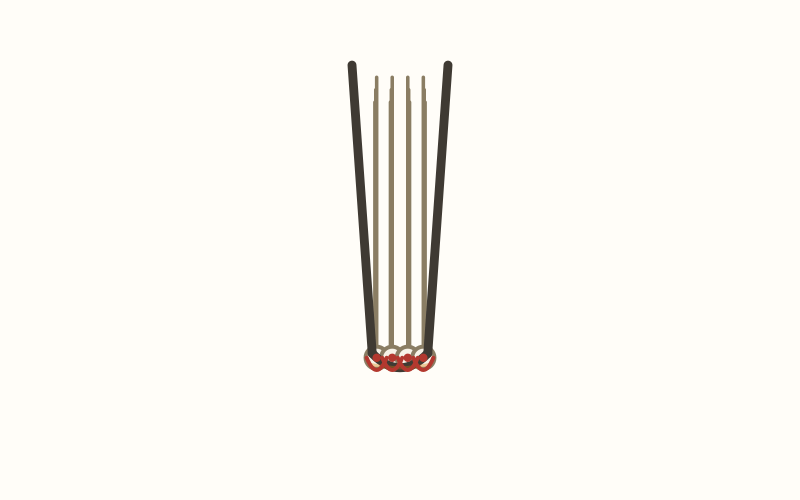
The exposed chain-link stitching runs the full spine height and is visible as a decorative sewn pattern, unlike Smyth-sewn's hidden signature thread inside a covered spine.
Multiple signatures · Exposed spine
- Opens flatYes
- Fold-backNo
- EditableNo
Japanese stab binding
The stitching wraps around a solid margin near the spine rather than running through a fold, so the book pivots at that sewn line and will not lie flat the way a folded-signature method can.
Loose leaves · Exposed spine
- Opens flatNo
- Fold-backNo
- EditableNo
Lay-flat binding
The cover's liner floats independently of the glued text-block spine, so the two spines flex separately and the book can open flat without the cracking that a directly-glued cover risks.
Loose leaves · Floating cover spine
- Opens flatYes
- Fold-backNo
- EditableNo
Pamphlet stitch
A single signature is sewn through just a few fold stations with the knot tied inside the center hole, leaving short thread stitches visible along the fold rather than the row of staple heads a saddle-stitched booklet shows.
Single folded signature · Exposed spine
- Opens flatYes
- Fold-backNo
- EditableNo
Perfect binding
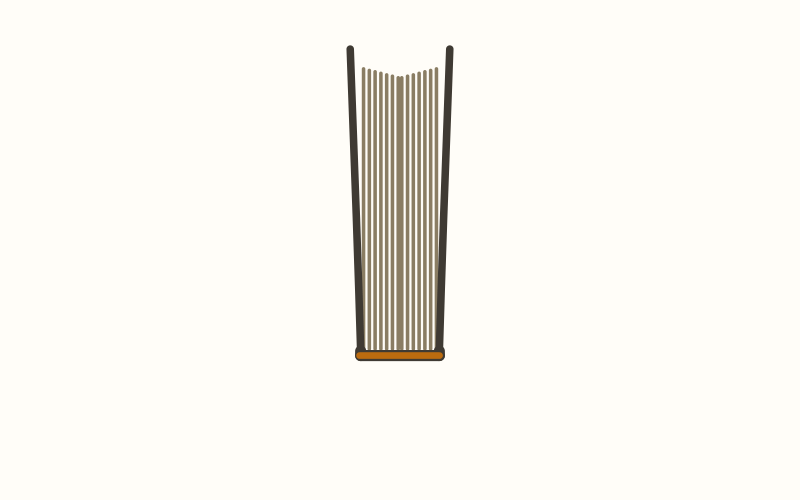
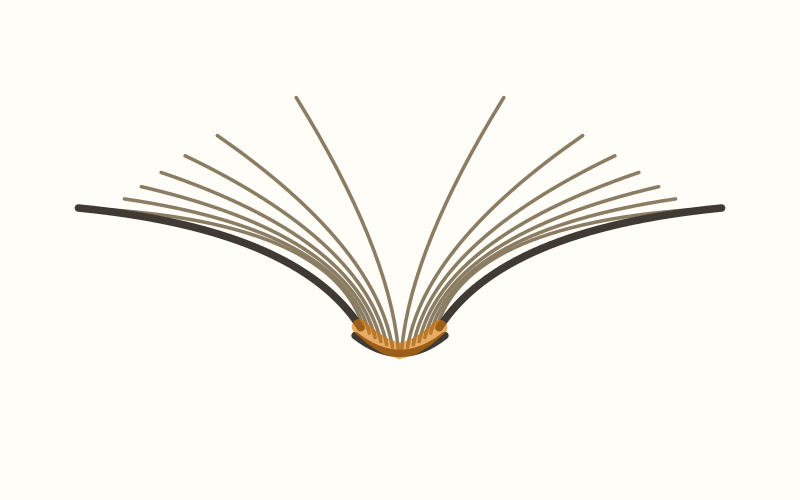
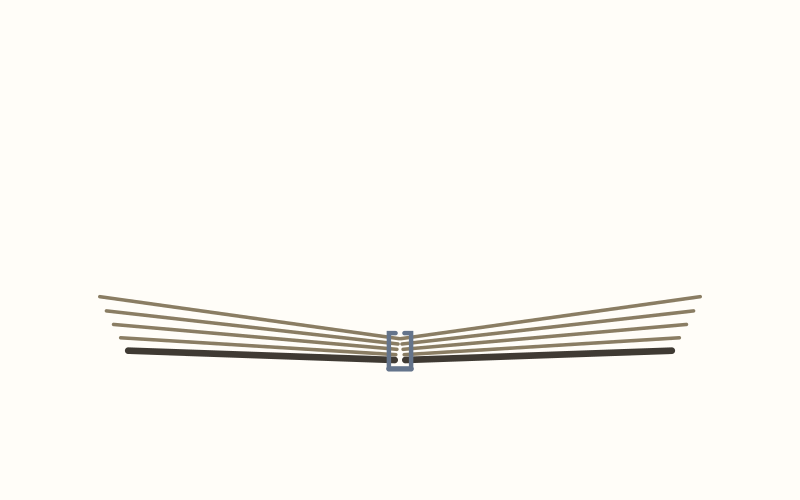
The spine bends as one glued unit and pages curve into a V-shaped gutter; no staples, thread, or hardware anywhere.
Loose leaves · Covered spine
- Opens flatNo
- Fold-backNo
- EditableNo
Saddle stitch binding
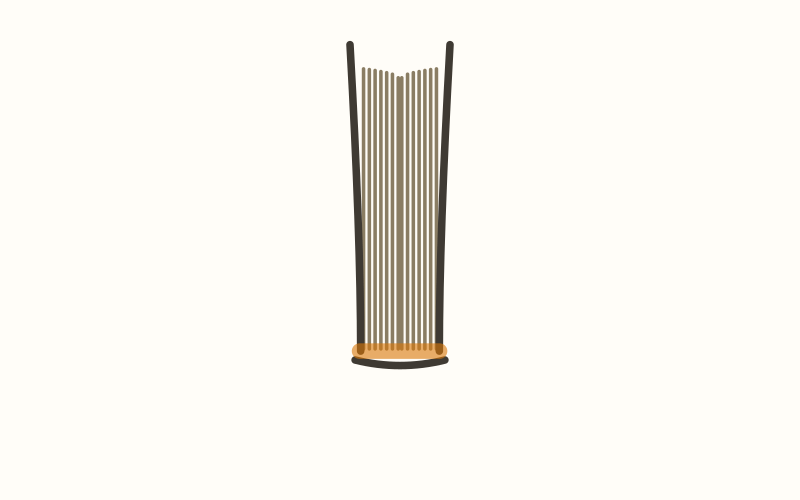
The book opens freely at the stapled center fold since there is no adhesive spine; staple heads are visible straddling the fold, not along a milled edge.
Nested folded sheets · Covered spine
- Opens flatNearly
- Fold-backNo
- EditableNo
Screw-post binding
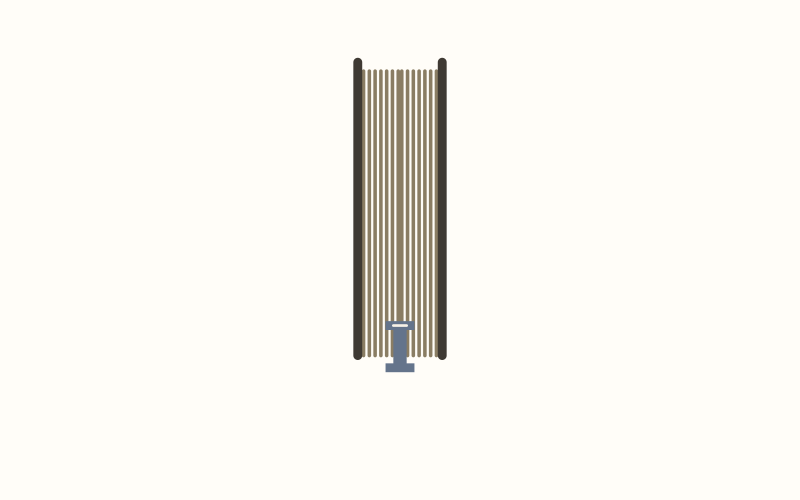
Rigid metal posts run through a hole row near the edge rather than a full spine mechanism, so pages pivot around a clamped zone and the posts themselves stay visibly exposed along that edge.
Loose leaves · Posts exposed spine
- Opens flatPartially
- Fold-backNo
- EditableYes
Smyth-sewn binding
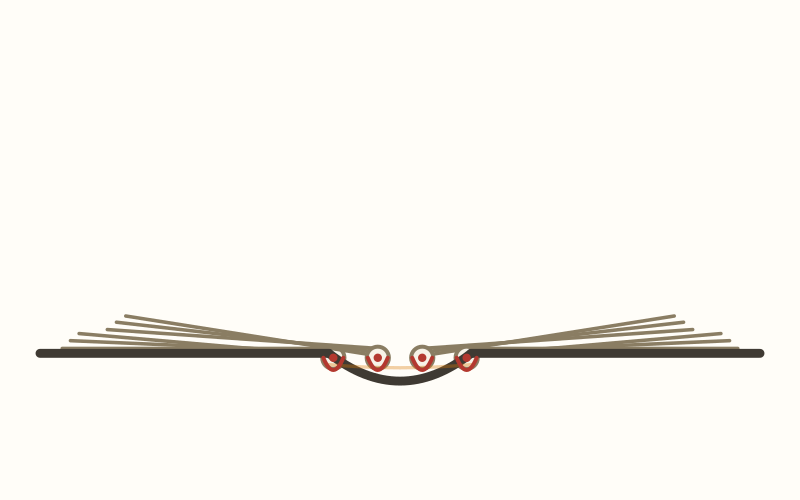
Each signature is linked to its neighbor by machine-sewn thread through the fold, then the whole sewn block — not just the cover — hinges as one reinforced unit, letting the book lie flat without an exposed spine.
Multiple signatures · Covered spine
- Opens flatYes
- Fold-backNo
- EditableNo
Spiral binding
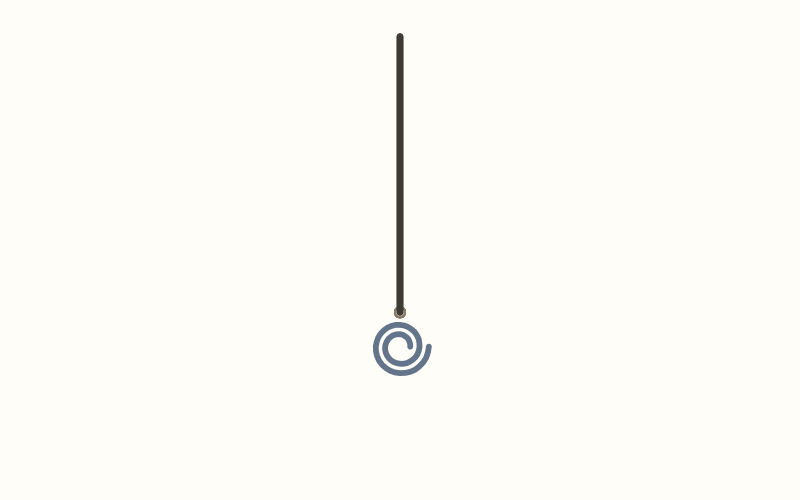
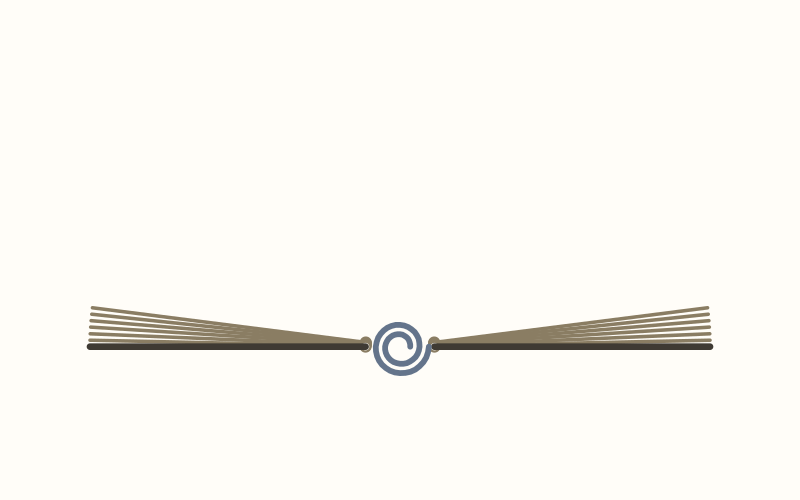
A single continuous helix passes through every hole, letting pages rotate fully around the coil so the whole book folds flat back-to-back — unlike the separate paired loops of Wire-O or the rigid comb spine.
Loose leaves · Exposed spine
- Opens flatYes
- Fold-backYes
- EditableNo
Wire-O binding
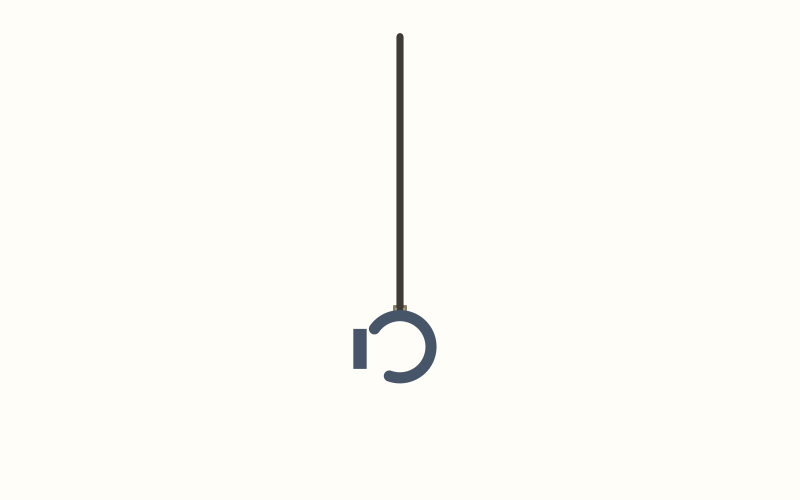
Two independent wire loops run through each hole, rotating fully around the spine so the book folds flat back-to-back — the doubled loop and closing seam distinguish it from the single continuous coil of spiral binding.
Loose leaves · Exposed spine
- Opens flatYes
- Fold-backYes
- EditableNo
All eleven schematics are representative — not to scale.
At a glance
Characteristics, side by side
The same fields the filters above use, spelled out in full — a text equivalent of every diagram on this page.
| Method | Sheet organization | Joining mechanism | Spine | Opens flat? | Fold-back? | Editable after binding? |
|---|---|---|---|---|---|---|
| Comb binding | Loose leaves | curved plastic tines extending from a round-ringed spine bar, threaded through rectangular punched holes along one edge | Exposed | Yes | Limited | Yes |
| Coptic binding | Multiple signatures | linked chain-stitch thread that sews each signature directly to the boards and to the previous signature at each station, with no spine adhesive | Exposed | Yes | No | No |
| Japanese stab binding | Loose leaves | thread sewn through holes punched near the spine edge of loose single sheets, wrapping around the bound edge in a visible pattern | Exposed | No | No | No |
| Lay-flat binding | Loose leaves | cold-glue and gauze consolidate the text-block spine, and the cover is bonded to a separate flexible liner left free of the text-block spine | Floating cover | Yes | No | No |
| Pamphlet stitch | Single folded signature | thread hand-sewn through an odd number of holes punched along a single folded signature, starting and ending inside the center hole | Exposed | Yes | No | No |
| Perfect binding | Loose leaves | adhesive film bonded to the milled spine edge of every leaf; cover glued to the same spine | Covered | No | No | No |
| Saddle stitch binding | Nested folded sheets | wire staples driven through the folded centerfold of nested signatures and clinched flat on the inside face | Covered | Nearly | No | No |
| Screw-post binding | Loose leaves | two-piece barrel-and-cap posts pass through punched holes near one edge, clamping the cover and page stack together | Posts exposed | Partially | No | Yes |
| Smyth-sewn binding | Multiple signatures | thread sewn through the fold of each signature and looped into the corresponding stitch of the adjacent signature, with adhesive reinforcing the assembled spine before casing | Covered | Yes | No | No |
| Spiral binding | Loose leaves | a continuous plastic or metal coil threaded through a row of evenly spaced punched holes along one edge, with both ends cut and crimped | Exposed | Yes | Yes | No |
| Wire-O binding | Loose leaves | paired C-shaped wire loops threaded through punched holes and squeezed closed into round double loops along one edge | Exposed | Yes | Yes | No |
Scroll sideways for more columns.
Terminology
A note on terminology
Binderies and everyday references don't always use the same word for the same structure. "Spiral" and "coil" binding name the same continuous-coil mechanism — print shops and craft suppliers use the two terms interchangeably.
"Wire-O" is a registered trademark for a specific double-loop wire binding, though the name is often used generically for any twin-loop wire structure regardless of manufacturer.
"Lay-flat" causes a different mix-up: it names one particular glued binding with a floating cover (also sold as Otabind), but "lay-flat" is also used loosely as an attribute — several other methods on this page open flat too, without using that construction. The "Opens flat?" column above settles which is which for any given method.
Identify
Not sure what term you saw?
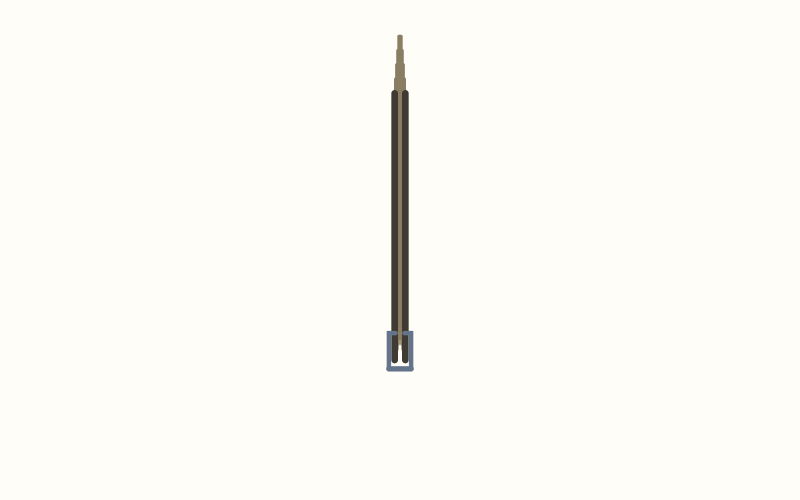
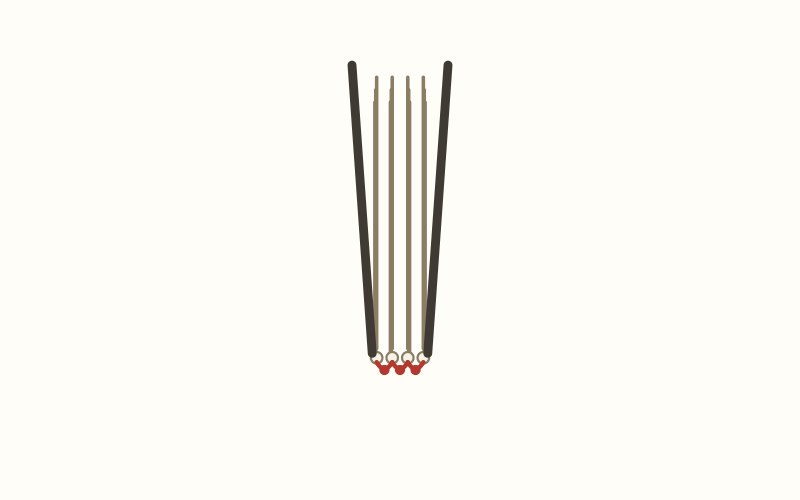
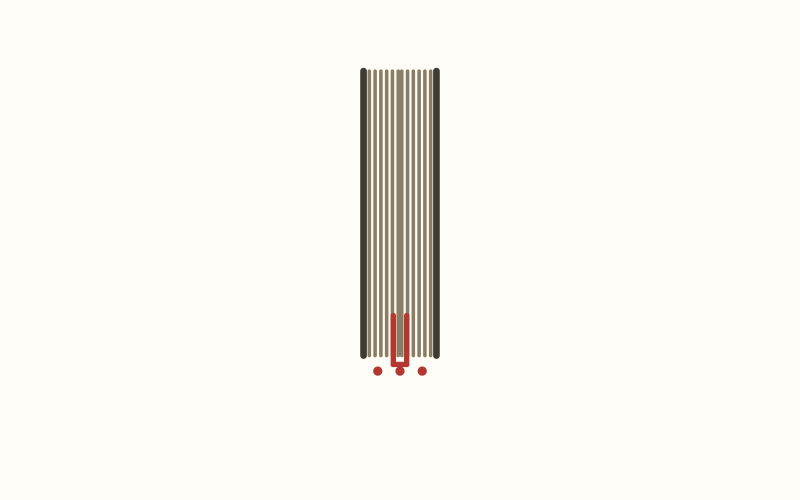
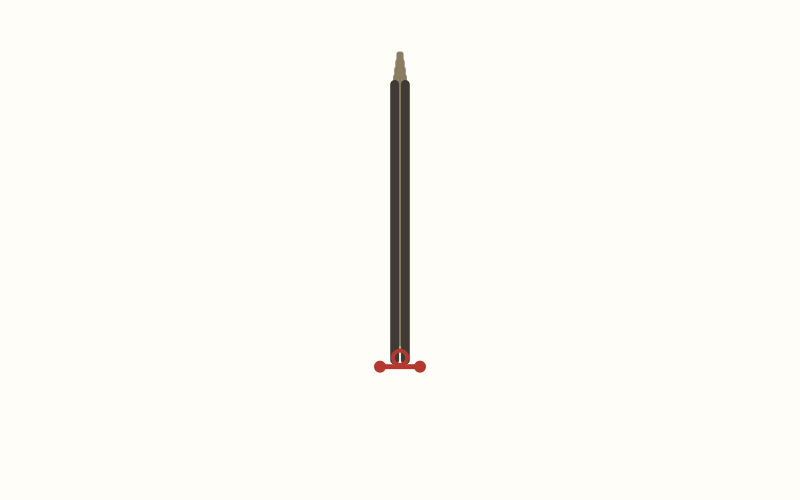
Grouped by what's actually visible at the spine when the book is open: staples through a folded spine, thread through holes or a signature fold, coil, tines, wire loops or posts, or a plain glued spine with none of those. Pick the group that matches, then the method.


Guides
Guides and comparisons
Comparisons that put two or three bindings on the same scale, an answer to which ones open flat, and the vocabulary the diagrams use.
- Glossary
Bookbinding glossary
Plain-language definitions of the bookbinding vocabulary used on this site, each traced to a conservation dictionary or craft source. - Comparison
Perfect binding vs. saddle stitch
Perfect binding glues ground loose leaves into a square spine; saddle stitch staples nested folds. That difference decides how far each one opens. - Comparison
Smyth-sewn vs. perfect binding
Smyth-sewn sews signatures through the fold and lies flat; perfect binding glues loose leaves into one stiff spine that does not. - Comparison
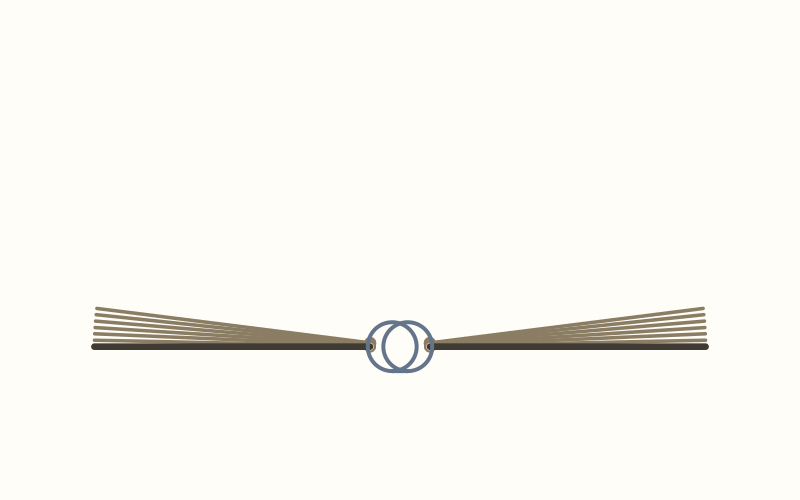
Spiral vs. comb vs. Wire-O binding
Spiral threads one coil through every hole, Wire-O closes paired loops hole by hole, and comb's ringed spine alone reopens later to swap pages. - Which bindings
Which book bindings lay flat (open flat)?
All eleven binding methods on this site, sorted by whether pages lie flat, nearly flat, partially flat, or not at all, and the reason why.


